42 using the word organic'' on labels
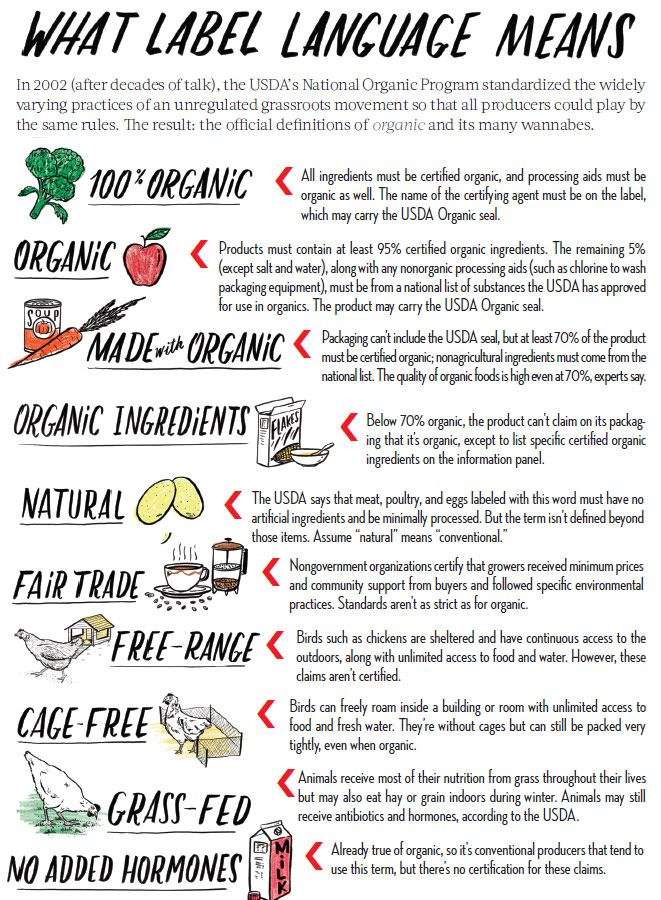
Understanding the USDA Organic Label Understanding what the organic label means can help shoppers make informed purchasing choices. Organic is a labeling term found on products that have been produced using cultural, biological, and mechanical practices that support the cycling of on-farm resources, promote ecological balance, and conserve biodiversity. What Do All of the Organic Labels Mean? - Ida's Soap Box Organic: Products can be labeled as "organic" if 95- 99% of the ingredients are organic (excluding water and salt). The remaining 5% must consist of non-agricultural substances that are on the USDA approved ingredient list. These products can display the USDA organic logo and/or the logo of the specific certifying agent.
Organic 101: "Organic" in the Brand Name...Organic in the Package - USDA Products that are "100 percent organic" or "organic" may display the USDA organic seal anywhere on their product label and can display brand names that contain the word "organic" on their PDP as long they meet all labeling requirements.

Using the word organic'' on labels
The Legal Requirements for Labelling Products as Organic Certain labels target customers who are buying the organic status just as much as they are buying the particular product. Some of these include labelling a product as: 100% organic; made using organic ingredients; or; certified organic. However, if you want to label your business' products as organic, you will need to be able to verify your ... Does the Word "Organic" on a Label Mean the Product Is Truly Organic? If the produce is organic, the code will contain five-digits beginning with the number 9. Nonorganic counterparts will have four digits. For example, organically grown bananas will be 94011, compared to 4011 for those treated with chemicals and pesticides. A five-digit PLU beginning with the number 8 means the item is genetically modified. Organic claims | ACCC An organic claim is any claim that describes a product as organic, or the ingredients used to make a product as organic. For example '100% organic', 'made using organic ingredients' or 'certified organic'. Products labelled as organic generally attract a premium price compared to those produced using artificial fertiliser, chemicals ...
Using the word organic'' on labels. Understanding the USDA Organic Label - Agricultural Marketing Service Understanding what the organic label means can help shoppers make informed purchasing choices. Organic is a labeling term found on products that have been produced using cultural, biological, and mechanical practices that support the cycling of on-farm resources, promote ecological balance, and conserve biodiversity. 10 Things You Should Know About Organic Labels In order to label a product as "Organic," the product must have the following characteristics: Contain at least 95% organic ingredients. The remaining 5% must be allowed ingredients. Any agricultural ingredients in the product must be organic unless unavailable. Example: Organic apple juice. Food Labels: Definition of Natural & Organic | Live Science A label can include the word "organic" if the product contains a minimum of 95 percent organic ingredients. This means that up to 5 percent of the ingredients may be nonorganic agricultural... Organic Labeling Requirements: LabelCalc Organic: If your product and all of its ingredients are certified organic, except for those on the National List of Allowed and Prohibited Substances, then your product can use the organic label. Your product may only contain a total of 5% of the allowed non-organic ingredients that are specified on the National List. Again, the name of the certifying agent must appear on the information panel ...
Organic Labels | Washington State Department of Agriculture Identify the organic ingredients as "organic" in the ingredient statement, if one exists. May As applicable, use the term "100% organic" or "organic." Include the certifier statement anywhere on the label. Include the USDA organic seal. Include the WSDA organic logo. Non-packaged Made with Organic products Must Before You Use Organic or Natural on Product Labels Organic Seals on Product Labels As previously mentioned, a product can't be labeled with any organic claims unless the product has been certified organic. Some operations, however, are exempt from certification like organic farms that sell less than $5,000 in organic products per year (gross sales). Interpreting Food Labels: Natural versus Organic Unlike "natural," which has no clear definition, use of the "organic" food label and seal is strictly regulated by the National Organic Program, which is administered through the USDA. Foods with an organic seal are certified organic and contain at least 95% organic content (5). An "organic" label doesn't mean much on US non-food products, and the ... Food companies using the US Department of Agriculture's certified organic label must prove that products are at least 95% organic. But for non-food items, such as shampoos, cosmetics, and ...
Organic Labeling and Logos - Get The Facts In the United States, using the word 'organic' on your product label without displaying the USDA Organic logo and the name of your certifying agency will result in a minimum fine of USD 10, 000. HKORC (Hong Kong Organic Resource Centre Certification Ltd) is a non-profit and non-government effort by Baptist University Hong Kong to create an ... The Word "Natural" Is A Scam. Here's Why. — The Candidly Here's Why. — The Candidly. The Word "Natural" Is A Scam. Here's Why. "Clean." "Organic." "Green.". AKA, words marketing teams use to signal that their product is "healthy.". But there is one in particular— the mother of all these intentionally murky words— that's designed to make us feel as though we're making good ... What Does 'Organic' Mean - Is USDA Label Really Organic? What to Know The U.S. Department of Agriculture National Organic Standards Board defines the term as this: "Organic" is a labeling term that denotes products produced under the authority of the Organic Foods ... Using the Claim "Certified Organic By..." on Meat and Poultry Product ... Labels from companies whose production and handling operations are certified by a certifying agent accredited under the National standards and included on the NOP's list of accredited certifying agents, may submit labels for FSIS evaluation using the claim "organic." While such labels may receive FSIS approval, in accordance with the National ...
Knit Jones: Patio
Is the term queer now a label of empowerment or still a word to avoid? Andrés Oswill, 29, is a first-generation queer Peruvian American who lives in Portland, Oregon, and uses both he and they pronouns. He grew up during a time "when queer was not a positive term ...

Knit Jones: This Site Is Annoying
Organic on Food Labels | FDA FDA does not regulate the use of the term "organic" on food labels. The National Organic Program (NOP) is the federal regulatory framework governing organically produced crops and livestock. The...

INFO / Label layout of 100% organic products, project developed for farm cooperatives: three ...
Organic food: labelling and advertising rules - GOV.UK You can only use 'organic' in the ingredients list on the label or accompanying documentation. You cannot include 'organic' in the product name or description. For example, the ingredients panel of...

ORGANIC FERTILIZERS: WHAT ARE THEY? | Kellogg Garden Products
What does 'organic' mean when it is used on foods, like vegetables and ... The steps to becoming a certified organic producer are very basic. The five that follow are typical, though variations might apply in different circumstances. 1. Identify a suitable certifier 2. Submit an application 3. Completeness Review 4. On-farm inspection 5. Final review

Moss Moments: December 2010
Using the Organic Symbol | Food & Drink - Soil Association Using the Soil Association organic symbol The Soil Association organic symbol is the most widely recognised in the UK and appears on over 70% of all organic food & drink products on sale in the UK. A "shortcut" to reassurance and trust within a crowded market, the symbol demonstrates your commitment to working with nature, not against it ...

Knit Jones: October 2010
Labelling and describing organic food | Business Companion The term 'organic' cannot be used as part of a trade mark or company name, or in any labelling or advertisement, if this would be likely to mislead consumers or users of the product into thinking that this product satisfied the legal requirements for organic products. Back to top Types of product that can be described as 'organic'

Knit Jones: +1
What Food Labels Mean—and Don't - Consumer Reports Processed foods labeled "organic" also cannot contain artificial ingredients unless they go through a rigorous review process, and have no artificial preservatives, colors, or flavors. Natural ...

Pretty Party Showcase: Lemonade Stand Birthday - Simply Sarah Style
Labeling Organic Products | Agricultural Marketing Service Used to label any product that contains 100 percent organic ingredients (excluding salt and water, which are considered natural) Most raw, unprocessed or minimally processed farm crops can be labeled "100 percent organic" PDP: May include USDA organic seal and/or 100 percent organic claim

Set Fresh Organic Labels Elements Stock Vector 132295712 - Shutterstock
You Need to Know: What Do Natural, Local and Organic Mean? Contrary to popular belief, a USDA Organic label does not mean no pesticide use. Pesticides derived from natural sources (like biological pesticides) may be used in producing organic food. Another misunderstanding is the use of synthetics in general. Some synthetic material can actually be used in organic foods, such as pheromones and animal ...
WHY?! Blog Series: Why choose toxin-free food? - Sarah Jane Sandy
PDF The Guide to Organic Labelling in Canada organic trade arrangement with a foreign competent authority. Using the Canada Organic logo for Imported Products: Imported products carrying the Canada Organic logo on their labels or PLU stickers must indicate 'product of' immediately preceding the name of the country of origin, or the statement 'imported' in close proximity to the logo.

Organic Food Labels And Elements Stock Vector Illustration 98928680 : Shutterstock
Food labels 101: What Organic, All-Natural, Non-GMO and Grass-Fed ... Look for the USDA organic seal or "100% Organic" claim on the main display panel of the product. Organic: The term "organic" may be used on any product that contains a minimum of 95% organic ingredients. Up to 5% of the ingredients may be non-organic and the label may include the USDA organic seal or "organic" claim.
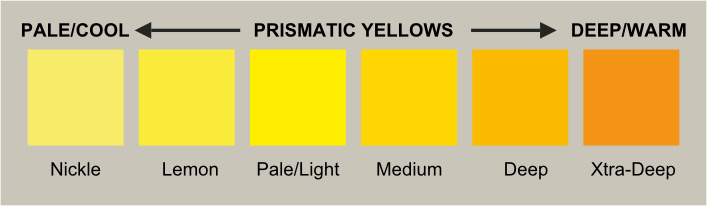
Frederic C. Kaplan, Picture Maker - COLOR PART III Artists' Pigments. .contents- Blues ...
Organic claims | ACCC An organic claim is any claim that describes a product as organic, or the ingredients used to make a product as organic. For example '100% organic', 'made using organic ingredients' or 'certified organic'. Products labelled as organic generally attract a premium price compared to those produced using artificial fertiliser, chemicals ...

Knit Jones: Fall Pics
Does the Word "Organic" on a Label Mean the Product Is Truly Organic? If the produce is organic, the code will contain five-digits beginning with the number 9. Nonorganic counterparts will have four digits. For example, organically grown bananas will be 94011, compared to 4011 for those treated with chemicals and pesticides. A five-digit PLU beginning with the number 8 means the item is genetically modified.

Label This! What does the Organic Label really mean? • TaylorLife
The Legal Requirements for Labelling Products as Organic Certain labels target customers who are buying the organic status just as much as they are buying the particular product. Some of these include labelling a product as: 100% organic; made using organic ingredients; or; certified organic. However, if you want to label your business' products as organic, you will need to be able to verify your ...

Coconut Crumbs: Interpreting Labels: Natural vs. Organic Part 2

Collection Vintage Retro Grunge Fresh Fruit Stock Vector 141421630 - Shutterstock

Don’t be fooled by the word “natural” on your labels…
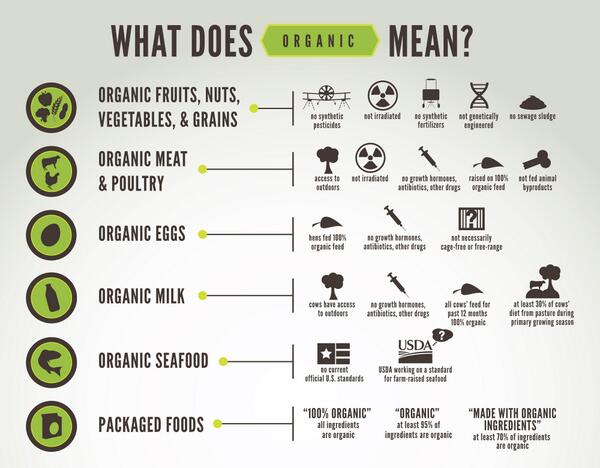
31 What Does The Organic Label Mean - Labels Database 2020
Post a Comment for "42 using the word organic'' on labels"